The Pressure to Be the Best
Performance is extremely important in every artist’s career, requiring days of constant and rigorous training to get their bodies to their peak, and even pushing themselves hard to the limit just to get their moves right. And when a performer is not in top shape, it can greatly impact the overall performance not just their part, but the production itself. And when performers want to push themselves further, they sometimes turn to dangerous methods. And one of the most dangerous methods actors do is to take heroin.

As a result, heroin is a double-edged sword, one that would calm the nerves but at the same time one would become dependent on it, and soon that dependency would turn into an addiction. And when individuals become addicted to heroin, it becomes very difficult for them to stop, and would eventually cause their health to deteriorate. One method left for them is to undergo a heroin detox. But where can they go? Well, then you won’t have to worry once you check out Detox Matrix at www.detoxmatrix.com/heroin.
What is Detox Matrix?
 When you’re unsure on which expert to turn to, but would rather learn for yourself on how to properly detox from heroin for the next big performance or rehearsal, Detox Matrix teaches individuals from all over the world on how to do just that. Providing the most effective materials and staffed by medical experts, Detox Matrix aims to educate patients with various methods on how you can detox yourself at home.
How does it help me as an artist?
Detoxing is completely safe, and it will gradually flush all that substance from your system. And if you’re worried about any withdrawal effects, Detox Matrix also has you covered with its extensive support to ensure you will get back on your feet while never having to rely on heroin again!

 animals with human-powered animatronics. In this fantasy world set in Sesame St., a NY-style place, giving a more urban setting to which most children are accustomed to. Both stuffed animals and people live here, an example of what peaceful coexistence can provide for humanity. This show is full of great information for our children to absorb, such as numbers, the alphabet, and even issues dealing with morality. The stuffed animals, from a giant bird to even a woolly mammoth, all figure out their problems together.
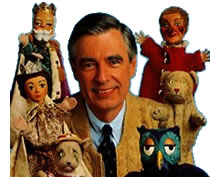 stuffed animals played and learned together. From Henrietta the cat, to X the owl, all the animals lived and loved from their own places, just trying to figure out the best ways to take of situations that our children might face on the playground or at home. A great show that we all probably watched as children, it still hooks children with the bright colors and dancing custom stuffed animals.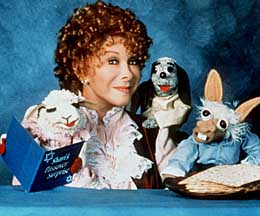
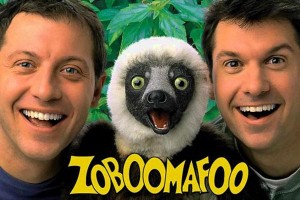 wild, this custom stuffed pet was a lemur that was goofy and informative about animals and their ways of life. Long arms swinging from tree to tree was his style, and this caught children in a trance as they switched from his plush version to a real lemur that looked just like him!